
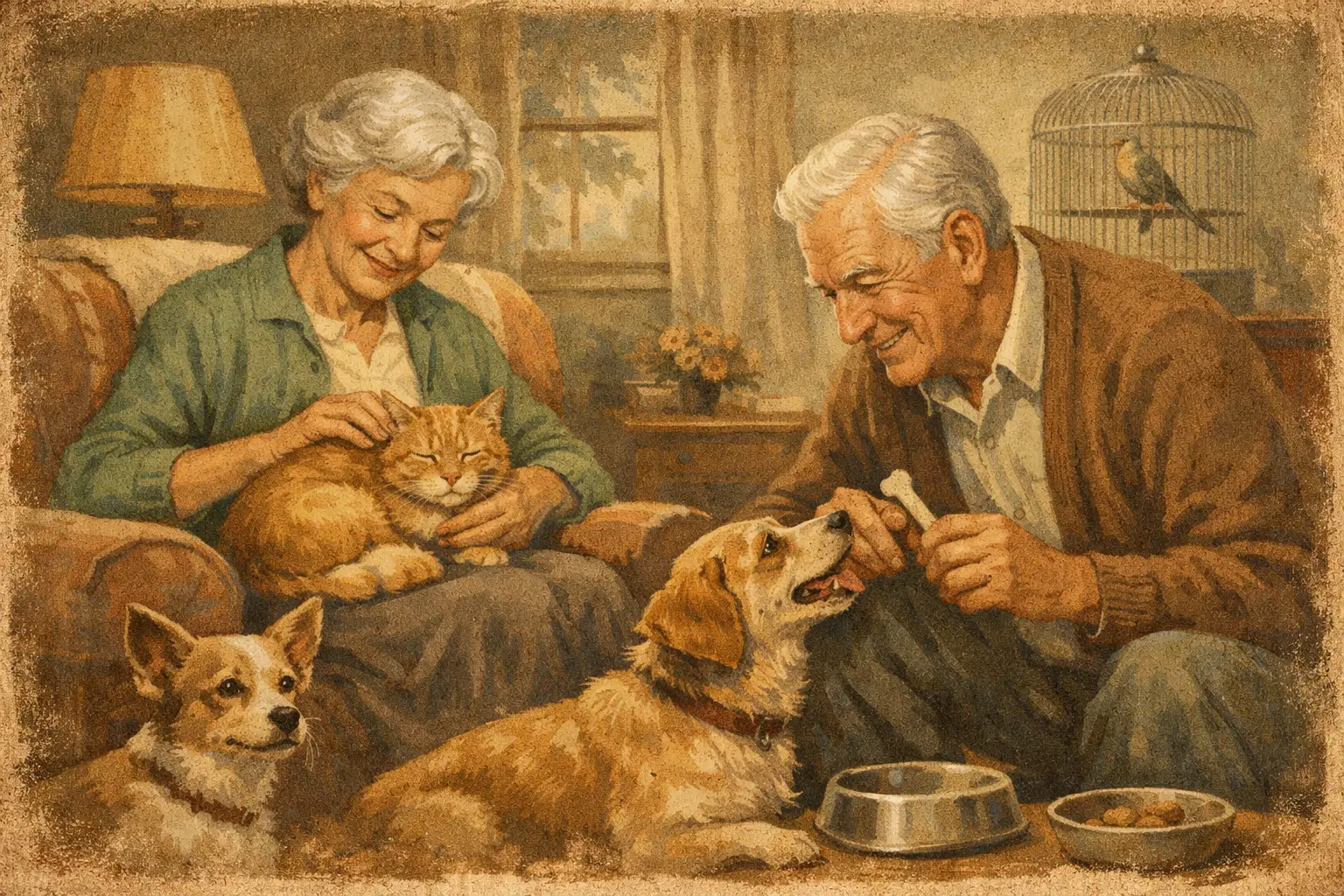
A missed dog walk after surgery. A cat medication dose delayed because bending down is suddenly painful. A bird left unstimulated during a long hospital stay. These are small moments that can turn into real problems fast, which is why pet care for seniors at home needs to be planned with the same care as any other part of daily living.
For many older adults, pets are not a side part of the household. They are routine, comfort, purpose, and steady companionship. Keeping that bond strong often means finding support that protects the pet's schedule without forcing the animal into an unfamiliar environment. Home-based care is usually the least disruptive option, but only if the plan is reliable, medically aware, and built for what real life looks like when health changes quickly.
Why pet care for seniors at home matters
Senior pet owners often know their animals better than anyone. They know which dog gets anxious at dusk, which cat refuses food unless the bowl is in the usual corner, and which medication has to be given with food at a very specific time. That kind of consistency matters.
When an older adult becomes temporarily limited by illness, recovery, fatigue, mobility issues, or a hospital admission, pets can lose that stability overnight. Boarding is not always a good fit. Some pets do poorly in loud, unfamiliar settings. Others have medical or behavioral needs that are better managed at home. In-home support preserves routine, reduces stress, and lowers the chance that a pet's health will spiral while the owner is dealing with their own medical situation.
There is also a human side to this. Seniors recovering at home often push themselves too hard because they still need to lift food bags, manage litter, walk a strong dog, or keep up with multiple feeding times. Good support is not just about helping the pet. It helps reduce fall risk, overexertion, and the quiet stress that comes from worrying about an animal's care.
What safe in-home pet support actually includes
The right care plan depends on the home, the pet, and the senior's health status. Sometimes the need is simple. A daily dog walk and fresh water may be enough during short-term recovery. In other cases, support needs to be more structured, especially when medications, mobility limits, or unexpected hospitalization are involved.
A dependable in-home plan usually covers feeding, water refresh, walks or litter care, medication administration if needed, and observation of changes in appetite, behavior, breathing, mobility, or elimination. It may also include enrichment, companionship, overnight stays, and basic home welfare checks that help everyone feel more secure.
This is where experience matters. Casual help from a neighbor can be kind, but it may not be enough if the pet has health needs or the owner may not be reachable. In a medically triggered situation, there should be clear instructions, emergency contacts, veterinary information, home access planning, and a system for updates.
When home care is the best fit and when it depends
Pet care for seniors at home is often the best option when the pet is older, medically stable with a set routine, anxious in new places, or strongly bonded to the home environment. It also makes sense when the senior wants continuity and dignity during a hard season rather than another major disruption.
Still, it depends. A dog with severe separation distress may need more frequent visits or overnight care rather than quick drop-ins. A pet with unstable medical needs may require a higher level of monitoring. If the home is unsafe to access, or if the pet has a history of aggression, the plan has to be adjusted honestly. Good care is not about promising every option. It is about choosing the safest one.
For families and referral professionals, that means asking practical questions early. Can the pet be safely handled? Is there enough food, medication, and cleaning supply in the home? Who approves care decisions if the owner is sedated or admitted unexpectedly? What happens if the hospital stay lasts longer than expected? These details matter more than nice intentions.
Building a pet care plan before a crisis
The best time to arrange support is before it is urgently needed. That can feel uncomfortable, especially for seniors who are used to handling everything themselves. But planning ahead is not giving up independence. It protects it.
Start with a written care profile for each pet. Include feeding amounts, schedule, medications, mobility issues, triggers, favorite routines, and veterinary contact information. Add home entry details, backup contacts, and any instructions tied to the owner's health situation, such as who can authorize ongoing visits if the owner is hospitalized.
It also helps to think through likely scenarios. A short outpatient procedure is different from a three-day admission. Recovery after a fall may limit walking a dog for weeks, not days. Hospice support brings another layer of sensitivity, because pets often remain a central source of comfort while family members are balancing medical decisions and emotional strain.
A good provider should be able to step into these situations calmly, without creating extra confusion. That means clear communication, documentation, and the ability to adapt when discharge dates change or a routine care request turns into urgent coverage.
What seniors and families should look for in a provider
Trust is the first requirement, but trust should be backed by process. For seniors at home, especially those living alone or managing chronic illness, pet care should come from someone who treats the situation with professional seriousness.
Look for insured and bonded care, pet first-aid knowledge, comfort with medication routines, and a clear emergency response process. Ask how updates are provided, how last-minute hospitalizations are handled, and whether the provider can coordinate with family members, social workers, case managers, or discharge planners when needed.
This matters because the wrong fit can create more stress. A provider may be excellent for routine vacation visits and still not be prepared for a post-surgical owner who cannot get to the door, a hospice household with changing needs, or a patient whose hospital stay is extended with no notice. Healthcare-adjacent pet care requires reliability under pressure.
In Yavapai County, services like Yavapai Pet Care are built around that reality, which is very different from casual pet sitting. The goal is not just coverage. It is continuity, safety, and rapid response when life happens.
Common challenges with pet care for seniors at home
One challenge is pride. Many seniors delay asking for help because they do not want to burden family or lose control of their routines. Another is timing. Families often start looking for support only after the emergency has already started.
There are practical barriers too. Some pets hide from unfamiliar people. Some owners have inconsistent medication storage, which makes administration harder. A large dog may be manageable on a normal day but unsafe to walk during recovery from surgery. Even transportation issues can affect care if food, litter, or prescriptions run low.
The answer is not to assume home care is simple. It is to make it specific. The more detailed the care instructions and contingency planning, the safer the outcome for both the pet and the owner.
A better standard for keeping pets at home
Seniors should not have to choose between their own health needs and their pet's well-being. Families should not have to scramble from a hospital waiting room trying to figure out who can feed the cat, walk the dog, or give the evening medication on time.
The best pet care for seniors at home protects normalcy when everything else feels uncertain. It keeps pets where they are most comfortable. It supports recovery. It gives referral professionals a practical answer instead of a hopeful guess. And it respects the fact that for many older adults, caring for the pet is part of caring for the person.
If you are planning for yourself, helping a parent, or coordinating support for a patient, start before the next disruption hits. A calm, clear care plan can make a hard day feel much more manageable.